
Moringa oil stands out in the world of plant-derived ingredients, valued for its effectiveness, purity, and versatility across personal care, wellness, and industrial applications. Sourced from the seeds of the Moringa oleifera tree, this oil is a staple for manufacturers, aromatherapists, and health professionals looking for a nutrient-rich, premium raw material. In line with best procurement practices, Range Products in Welshpool, Western Australia, supplies moringa oil alongside a broader range of premium botanical ingredients in bulk quantities, ensuring global reach and independent quality testing. The following guide covers everything from its origins to practical considerations in sourcing, handling, and everyday use.
Key Takeaways
- Moringa oil, sourced mainly from the seeds of the Moringa oleifera tree, is valued for its purity, nutrient density, and versatile use in skincare, food, and wellness products.
- Cold-pressed moringa oil retains essential nutrients like oleic acid and tocopherols, making it ideal for cosmetics, culinary, and supplement applications.
- Bulk buyers should prioritise a batch-specific certificate of analysis and independent testing to ensure moringa oil’s quality, safety, and traceability.
- Storing moringa oil in cool, dark conditions and using inert-lined containers preserves its antioxidants and extends shelf life.
- Moringa oil is generally safe, but individuals with metabolic conditions should seek medical advice before dietary use due to its potential effects on blood sugar and cholesterol levels.
- Working with reputable wholesale suppliers ensures access to high-quality moringa oil, regulatory documentation, and reliable after-sales support.
Understanding Moringa Oil
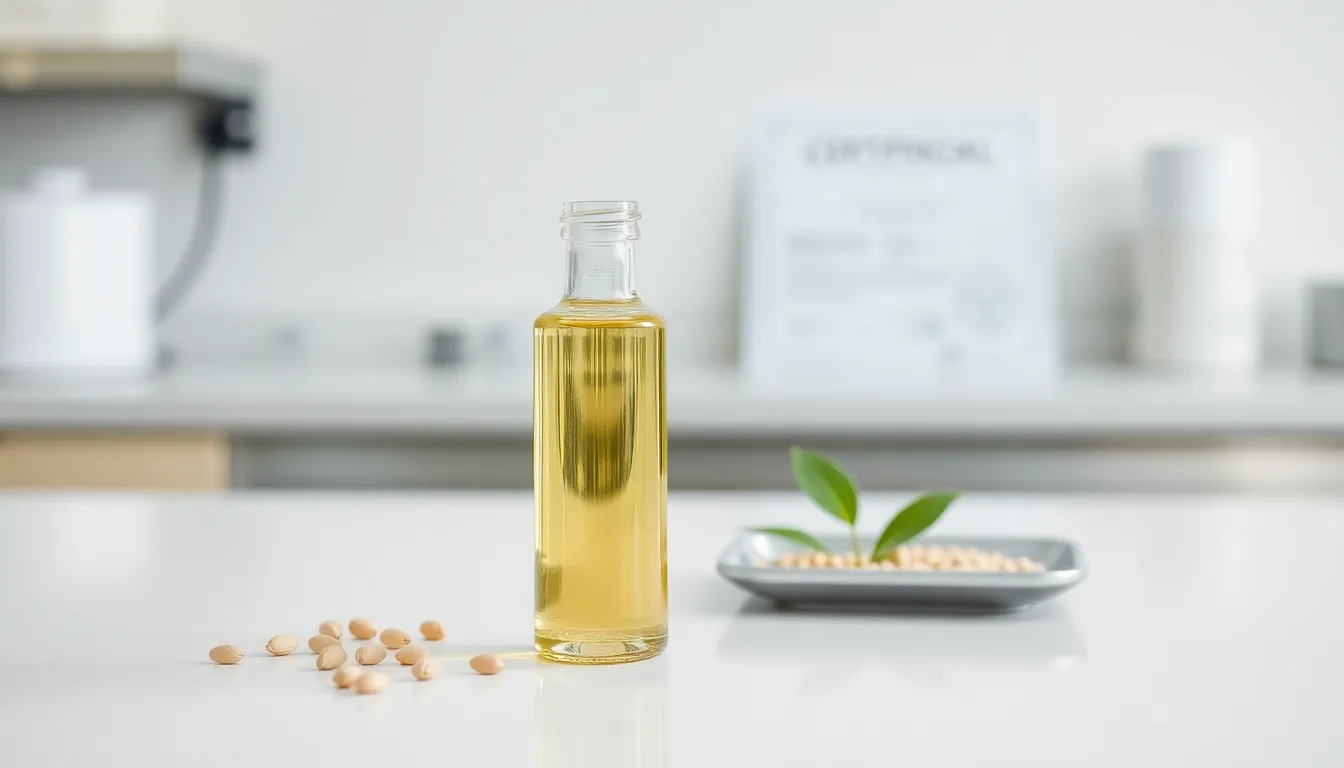
Moringa oil is extracted primarily from the seeds of the Moringa oleifera tree, often called the “miracle tree.“ This edible oil is clear, pale yellow, and light in texture. Chemically, it is rich in monounsaturated fats, particularly oleic acid (over 70%), as well as proteins, phytosterols (such as beta-sitosterol), and antioxidants. For ingredient buyers and formulators, this combination offers both functional performance and marketing appeal due to its natural origin and established safety record.
When assessing moringa oil for bulk supply, it’s crucial to reference its certificate of analysis. This document confirms key parameters such as fatty acid profile, absence of adulteration, microbial safety, and level of oxidative stability, a must for manufacturers in cosmetics, health, or culinary industries seeking reliable quality and traceability.
The Origins and Production of Moringa Oil

Native to the Indian subcontinent and widely cultivated in tropical and arid regions, Moringa oleifera has long been valued for its resilience and nutritional profile. The seeds are harvested from mature pods and processed through methods like cold-pressing to preserve their delicate compounds.
Cold-pressed moringa oil, the industry standard for purity, is prized for retaining sensitive nutrients such as tocopherols (vitamin E) and phytocompounds. Range Products collaborates with trusted growers and processors in regions like India and Africa, rigorously evaluating sources for ethical practices and traceability. The company’s global sourcing strategy and independent laboratory testing ensure consistent quality, reliable batch-to-batch composition, and compliance with international safety standards.
Moringa oil’s stability and neutral aroma make it easy to integrate into bulk ingredient pipelines, whether destined for skincare, food, or wellness formulations.
Key Benefits of Moringa Oil
Moringa oil’s unique nutritional makeup imparts a wide range of physical and functional benefits.
Skin and Hair Health
Its high oleic acid content delivers excellent emollience and moisture retention for creams, balms, and hair serums. Tocopherols and quercetin, natural antioxidants, help protect against environmental stressors, while anti-inflammatory compounds support wound healing and calm irritated skin. Topical use is popular among brands and practitioners focused on natural skincare and haircare.
Antioxidant and Cardiometabolic Benefits
Moringa oil’s antioxidants (beta-sitosterol, catechins) fight oxidative stress, while dietary use has been associated with reduced LDL cholesterol, improved blood pressure, and better liver function. These qualities appeal not only to food manufacturers but also to supplement formulators and pharmacies.
Additional Health Properties
Emerging research points to moringa oil’s antimicrobial properties, blood sugar modulation, and digestive support. Although more clinical evidence is needed for medical claims, its reputation for safety and versatility makes it popular among wellness brands and personal care lines.
Uses of Moringa Oil in Everyday Life
Moringa oil transitions seamlessly from bulk ingredient to end-user product across multiple categories:
- Culinary: It is used as a salad dressing oil or for light sautéing, thanks to its mild flavour and stable fatty acid profile. Its protein content makes it a preferred option for nutrition-focused brands or health food producers.
- Personal care: Moringa oil is a frequent addition to facial oils, cleansers, serums, and moisturisers. Its gentle cleansing ability and skin barrier support are highly valued by natural beauty brand formulators.
- Hair and scalp treatments: The oil is applied as a leave-in conditioner, scalp massage agent, or for frizz control and split end repair. Its nutrient density supports scalp health in product lines targeting dryness or irritation.
- Wellness and supplements: Some manufacturers encapsulate edible-grade moringa oil to market its cholesterol-lowering and detoxifying potential.
For industrial buyers and creators, sourcing moringa oil in wholesale quantities from suppliers like Range Products ensures steady inventory and quality to meet diverse application needs.
How to Choose and Store Moringa Oil
Selecting quality-assured moringa oil starts with the extraction method, choose cold-pressed oil for cosmetic or culinary use, as it preserves nutrients with minimal processing. Always request a batch-specific certificate of analysis to verify purity, absence of contaminants, and freshness. Confirm that oils are stored in food-grade, airtight containers, and inquire about independent laboratory testing, particularly when sourcing in bulk.
Store moringa oil in a cool, dark environment to protect antioxidants and extend shelf life. Refrigeration isn’t mandatory but helps maintain freshness in humid or warm climates. For large-scale users, ensure bulk storage tanks or drums are inert-lined and follow FIFO (first-in, first-out) inventory practices to minimise quality loss over time.
Range Products offers moringa oil in multiple volumes, drums, cubes, jerry cans, with full documentation and after-sales support for logistics, handling, and formulation guidance.
Potential Side Effects and Considerations
Moringa oil is generally recognised as safe for both topical and culinary applications. Preclinical data indicate no significant toxicity, though individuals with, or at risk of, metabolic disorders (such as diabetes or cholesterol issues) should consult healthcare professionals before starting regular ingestion, as the oil may modulate blood sugar or lipid levels.
Pharmaceutical and cosmeceutical buyers should be aware of possible interactions with other medications, although these are rare. For formulators, its stability and low risk of allergenicity make moringa oil an attractive bulk ingredient for new product development.
Responsible wholesale suppliers like Range Products provide in-depth documentation, allergen statements, and offer guidance to support safe, compliant ingredient use in any market.
About Range Products
Business: Range Products
Spokesperson: Penny Coupland
Position: Business Owner
Phone: +61 8 9358 4448
Email: admin@rangeproducts.com.au
Location: 6/138 Radium St., Welshpool WA 6106, Australia
Website: https://www.rangeproducts.com.au/
Google Maps Link: https://maps.app.goo.gl/VLNwF2FxKbZ9k1nP6
Frequently Asked Questions About Moringa Oil
What is moringa oil and how is it extracted?
Moringa oil is a nutrient-rich oil derived from the seeds of the Moringa oleifera tree. It is typically extracted through cold-pressing, which preserves its delicate nutrients and ensures high purity for use in food, skincare, and wellness products.
What are the primary benefits of using moringa oil for skin and hair?
Moringa oil is valued in personal care for its high oleic acid content, which boosts moisture and emollience. It contains antioxidants and anti-inflammatory compounds that help protect skin from environmental stressors and support scalp health, making it popular in creams, serums, and hair treatments.
Is moringa oil safe for culinary and topical applications?
Yes, moringa oil is generally recognised as safe for both culinary and topical uses. It is stable, non-toxic, and suitable for a variety of applications, although individuals with metabolic disorders should consult healthcare providers before regular ingestion due to its potential to influence blood sugar and lipid levels.
How can you identify high-quality moringa oil for bulk supply?
To ensure quality when sourcing moringa oil, select cold-pressed varieties verified by a certificate of analysis. Look for independent lab testing, food-grade containers, and ask about storage and handling practices to maintain purity and consistency, especially when purchasing in large quantities.
What are some everyday uses of moringa oil?
Moringa oil is versatile, used in salad dressings, light sautéing, facial oils, cleansers, and hair products. Its mild flavour and nutritional content appeal to both food and beauty industries, while its stability makes it easy to incorporate into wellness supplements and personal care lines.
Why is moringa oil sometimes called the ‘miracle oil’?
Moringa oil earns the nickname ‘miracle oil’ due to its impressive nutrient profile, versatility in culinary and cosmetic uses, and its reputation for promoting overall skin, hair, and wellness health. Its unique combination of fatty acids and antioxidants sets it apart among plant oils.